
Lá sa gclaí (meaning ‘a day in the wall’)
A Bayanihan Project led by Brian Ó Curnáin & Eduard Valenzuela
Exhibition
Festival Printworks Gallery, Market St.
Thursday 17th September - Sunday 27th September
Round Table / Talk at the Table
18:00 - 20:00hr, Saturday 19th September
FREE entry - All are welcome, no booking required
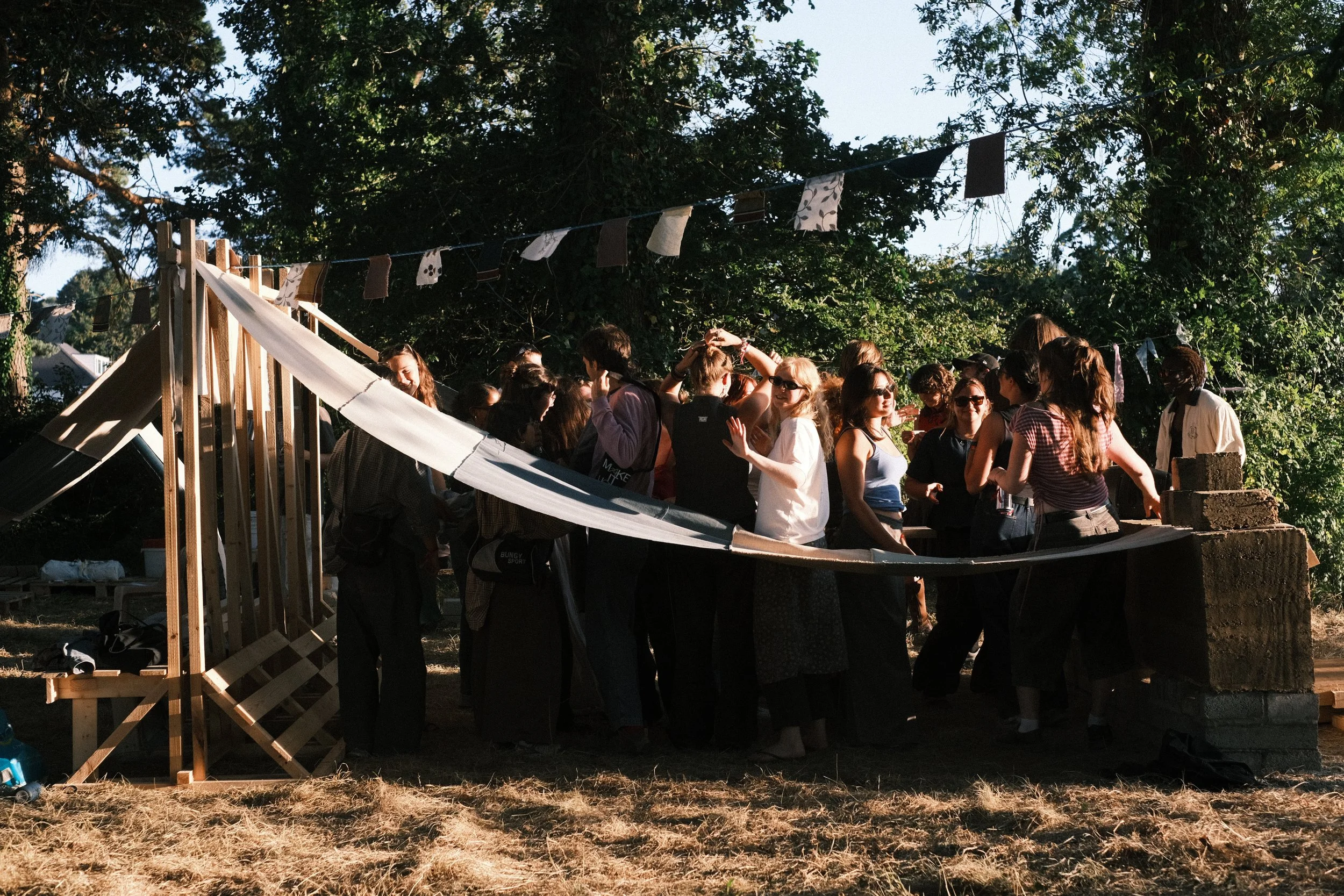
This event will be hosted around the remnants of a rammed earth wall built in Waterford as part of the European Architecture Students Assembly (EASA) in July 2026. Over two weeks, twenty participants came together to learn and test contemporary ways of making, while sharing stories and experiences with one another. The wall became more than a structure; it became a place to gather. It was activated through a series of events, from a communal meal and film screening to storytelling, before finally becoming a place to rest beneath the stars.2
The work of those two weeks will now be brought to Printworks Gallery through the original formwork and supporting structures. Here, the wall will be given a new life once again - becoming a place for conversation and exchange. The exhibition will host talks and a discussion on the spatial role of walls today. From the Irish field boundary to contested borders, and from shared civic infrastructure to architectures of exclusion. This conversation will be led by young voices from across the built environment.
Project credits:
Aine Dunne, Davidhenry Oghenetejiri Uyovbisere and Daniel Fehily.
Supported by:
Grafton Architects
Tec7
EASA Seanchaí
Bios
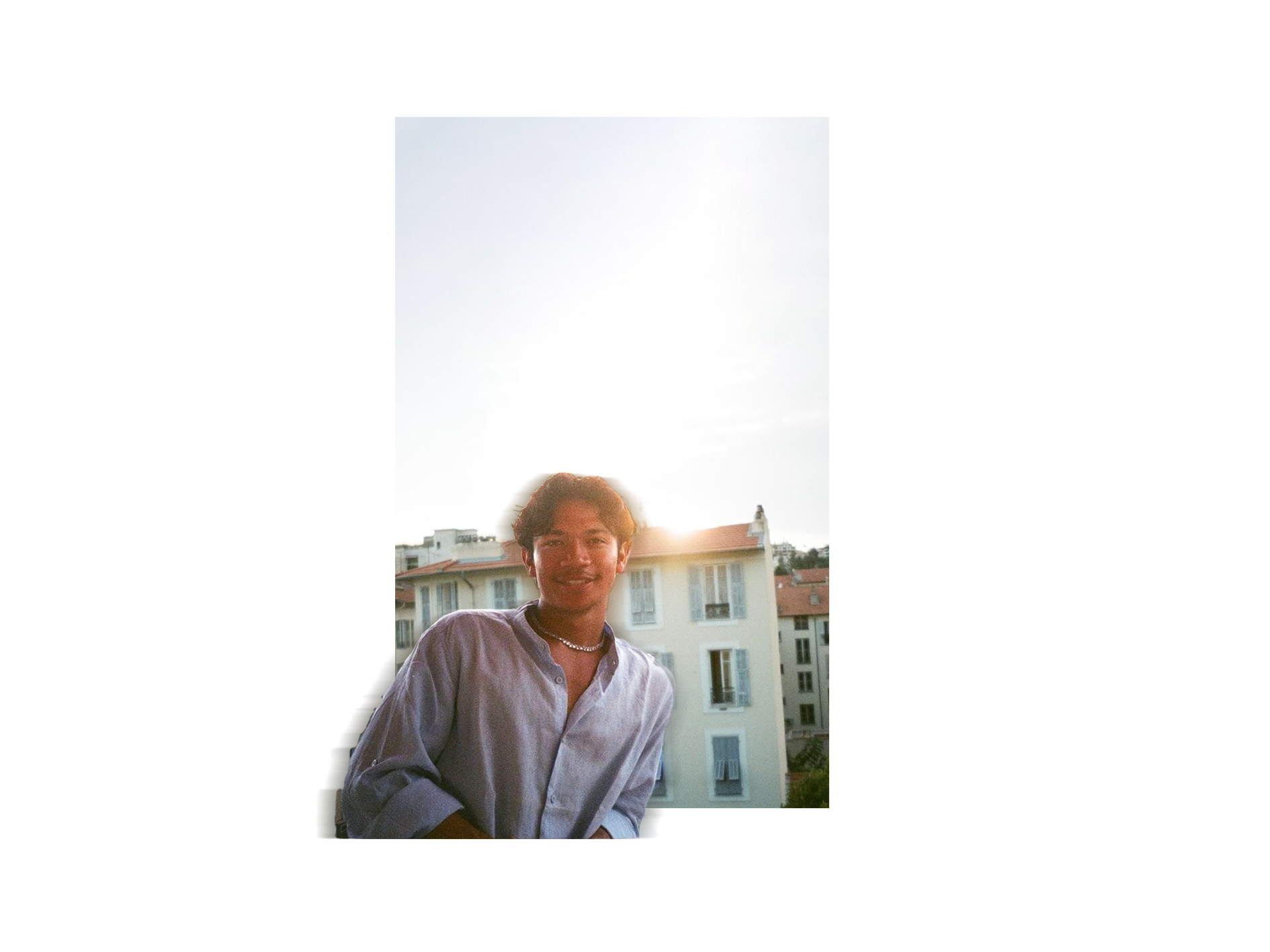
Brian Ó Curnáin is a Galway native and architectural graduate from UCD. He spent time at TU Delft and has worked in a number of architectural practices in Dublin. He is co-curator of Bayanihan, a community-focused workshop project that was awarded the Thornton Education Trust Prize in 2025. He is a recipient of the John Meagher Bursary, has been nominated for the Bruce Short Prize, and has exhibited work in the As an gCeo exhibition. He invigilated at the Venice Biennale in 2023 and won the UCD Architecture writing prize in 2026.
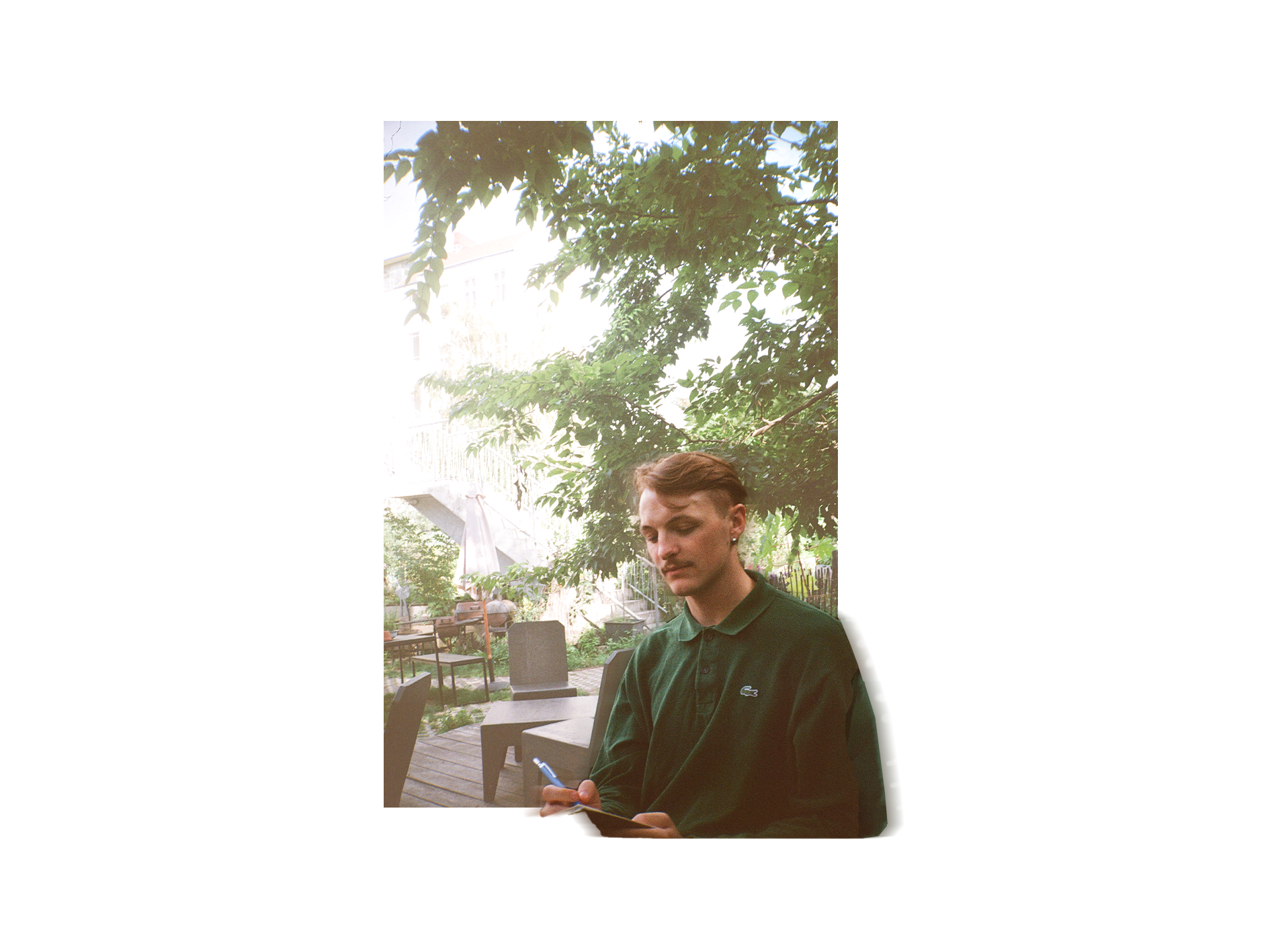
Eduard Valenzuela is an M.Arch student at Central Saint Martins in London. He completed his undergraduate studies at UCD before working at design-led practice Nooma Studio. His work focuses on community-led design, public realm, and temporary spatial activations, aiming to bring marginalised voices into the Irish architectural landscape. He co-leads the Bayanihan project as part of the Architecture At The Edge Festival. The project was awarded the Thornton Education Trust Award. In 2024, he was a scholar at the British School at Rome and recently took part in the School of Filo residency in Northern Italy.
Danny Fehily is an M.Arch graduate from UCD. He is also a filmmaker and one of five tutors in ‘Eat Sleep Ram Repeat’. He studied at TU Wien and has worked in architectural practices in Berlin and London. He has produced a number of short films for architectural projects and has attended film and architecture workshops at AATE and the AA School of Architecture. He recently completed the film Filipino-Irish as part of Bayanihan – Tambayan, which explores the people and spaces that form a community. The film was exhibited at AATE 2025
Áine Dunne is a Part 2 architectural graduate from UCD, now practicing in Dublin. She has studied at the University of Melbourne and worked in architectural practices in Spain. She is interested in socially engaged architecture and alternative living, and is an active member of the Dublin Student Housing Co-operative. She participated in SESAM Amatrice in 2026 and tutored at EASA, co-leading the workshop Eat Sleep Ram Repeat. She has also tutored in Bayanihan workshops over the past two years.
Davidhenry Uyovbisere is a recent M.Arch graduate from UCD whose work explores architecture’s emotional and experiential qualities. He studied at Arkitektskolen Aarhus, developing an interest in earthen composite construction, and worked at Bucholz McEvoy Architects. His thesis examines human interaction through the lens of time and atmosphere, while his practice explores building as a pedagogical catalyst for the exchange of experience and evocation of emotions